

For individuals experiencing homelessness, a smartphone is often the single most important tool they carry. It connects them to jobs, housing, healthcare, and safety. Homeless shelter phone lockers solve a problem most shelters still handle poorly: keeping those phones charged, protected, and within easy access.
- Phone lockers provide storage and charging solutions for mobile devices in shelters, so residents don’t have to choose between leaving a device unattended or letting it die. Smartphone access is crucial for employment and housing opportunities, and a dead battery can mean a missed callback from an employer or case manager.
- Modern charging lockers from HonestWaves include PIN/RFID access, tamper-resistant steel construction, and data-blocking USB ports that protect both the physical device and personal data. Individual compartments in lockers can be accessed via PIN codes or biometrics, giving each person control over their own bay.
- Shelters and day centers in Portland, Seattle, and New York increasingly invest in secure storage and charging to reduce theft and conflict in common areas. Seattle’s SHARE/WHEEL storage facility serves roughly 250 clients with non-powered lockers, but none of these facilities currently offer powered, secure phone storage.
- Lockers can be purchased or rented, wall-mounted or free-standing, and scaled from a small 8-bay unit at a 25-bed overnight shelter to a 36-bay smart locker wall in a multi-service navigation center.
- HonestWaves helps shelters design, deploy, and maintain secure phone locker programs. Get a Quote to discuss sizing, funding, and installation timelines.
Why Phone Lockers Matter in Homeless Shelters Today?
For most homeless people in 2025 and 2026, a smartphone serves as an ID, a job-hunt tool, and a lifeline. Residents need a charged phone to receive callbacks from employers, respond to housing case managers, access telehealth visits, or get transit directions to court dates. Access to charging stations is critical for job searches, and emergency situations require fully charged devices for safety, whether that means calling 911 or reaching a domestic violence hotline.
Many shelters face challenges providing reliable charging access. Staff report phones stolen from beds in dorm rooms, arguments over limited wall outlets, and fire hazards from daisy-chained power strips. Mediating disputes over “who unplugged my phone” consumes hours that could go toward case management. Device charging stations help homeless individuals stay connected, but only if those stations are secure.
A homeless shelter phone locker is a secure storage compartment with integrated charging, managed by shelter staff or self-service, designed for high-traffic environments. These lockers align with the “low-barrier support” model now standard in many organizations across U.S. and Canadian shelters, where access to power and storage is treated as a basic service.
What Are Homeless Shelter Phone Lockers?
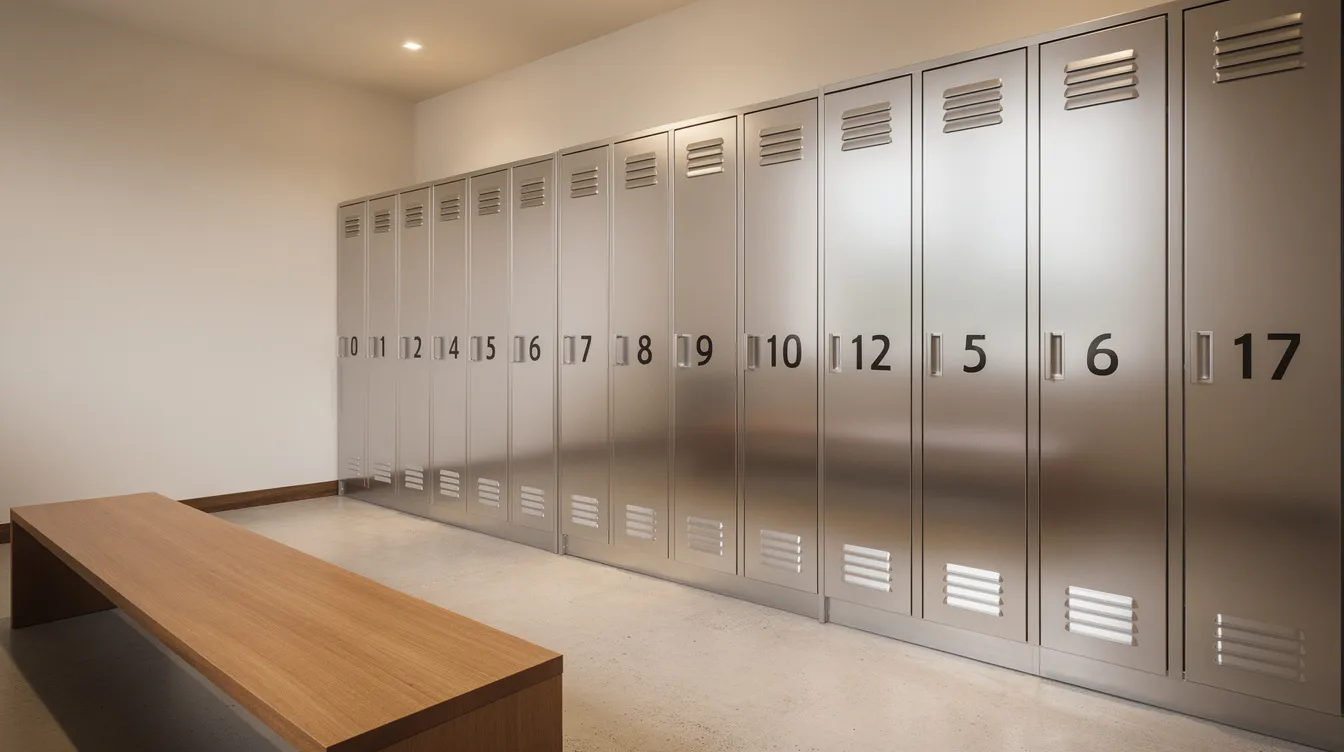
A charging locker is a steel or aluminum cabinet divided into multiple individually locked bays, each equipped with power (USB-A, USB-C, or sometimes AC outlets). Phone charging lockers often include built-in USB ports for user convenience. Users access devices through individual locked bays, and unlike charging carts, lockers offer individual user access, meaning each person controls their own compartment.
Key components include tamper-resistant hinges, reinforced doors, internal cable management to prevent cords from disappearing, and visible bay numbering so staff can assign or audit use. Simple key-based lockers exist, but shelters often choose smart lockers with PIN codes, RFID cards, or barcode wristbands to avoid the problem of lost keys in transient populations.
This is not just a storage facility and not just a charging strip. It is a combined secure storage solution built to survive daily heavy use by dozens or hundreds of residents. HonestWaves designs lockers for shared environments like shelters, hospitals, and schools, applying the same reliability standard across all sectors.
Benefits for Residents: Safety, Dignity, and Opportunity
The primary reason to invest in phone lockers is resident well-being. Charging lockers prevent theft and damage to devices. Consider the common scenarios: a person must leave a phone on a bed during a shower, at an intake meeting, or while they sleep at night. Without a locker, that phone is exposed to theft or accidental damage. A locked bay eliminates that worry.
Charging stations provide a secure place for devices, and that security unlocks real opportunity. Residents can receive job interview confirmations via SMS, submit online applications, reply to landlords over email, access benefits portals, and use telehealth platforms. Secure charging infrastructure reduces anxiety for unhoused individuals regarding device safety, allowing them to focus on the stuff that actually moves their life forward: jobs, housing, and medical care.
Privacy features like individual compartments enhance user security. Residents manage their own bay with a PIN or RFID card. They don’t hand devices to staff. They know their phone will still be there, fully charged, when they return. Security features in charging lockers enhance user peace of mind. That sense of autonomy matters; it is one less thing to worry about on the streets or in shelter environments.
Benefits for Shelters and Service Providers
Phone lockers make daily operations smoother and safer. Fewer disputes over outlet access, less suspicion about stolen phones, and fewer incidents requiring security intervention. Staff save time: instead of manually guarding a charging cart or checking items into a back-office storage room, they assign bays at intake or allow self-service with a two-minute orientation.
Charging lockers improve accountability for device management. Usage analytics and activity tracking improve transparency in locker management, giving program directors data on peak hours, average charge times, and utilization rates. Lockers reduce IT workload by maintaining device visibility without dedicated technical staff. Modern shelters provide access to phone charging stations and smart lockers as part of their core services.
From a risk management stand point, lockers eliminate the fire hazard of improvised power strips and reduce belongings stored haphazardly on the floor or in hallways. Foundations and city agencies increasingly ask how shelters support digital inclusion. Being able to point to a formal phone locker program strengthens grant applications. HonestWaves provides documentation, training materials, and remote diagnostics, helping shelters report usage metrics to funders without heavy IT overhead.
Key Features to Look For in Shelter Phone Lockers
Not all charging lockers are designed for shelter realities. Here are the features that matter:
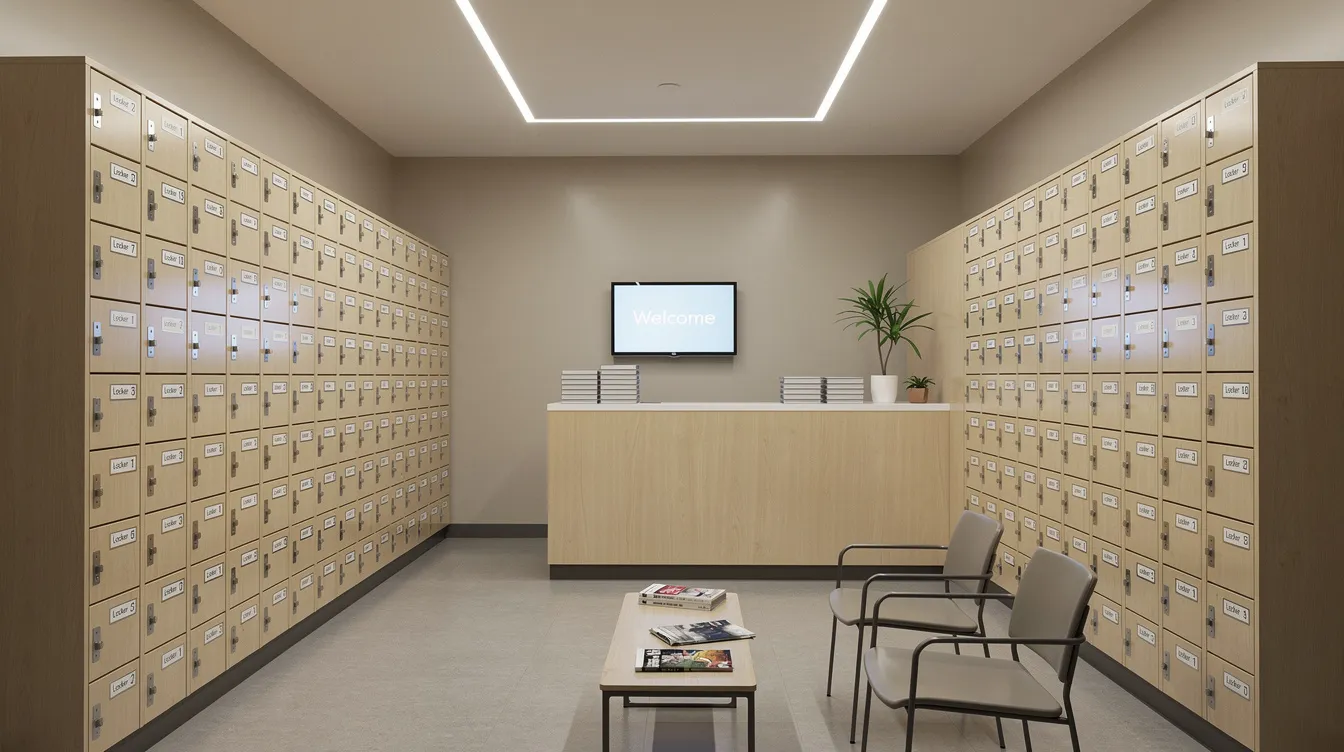
- Durability: Powder-coated steel construction, welded seams, internal mounting hardware, and vandal-resistant locks designed for thousands of open/close cycles per year. Durable finishes resist rust, corrosion, and graffiti.
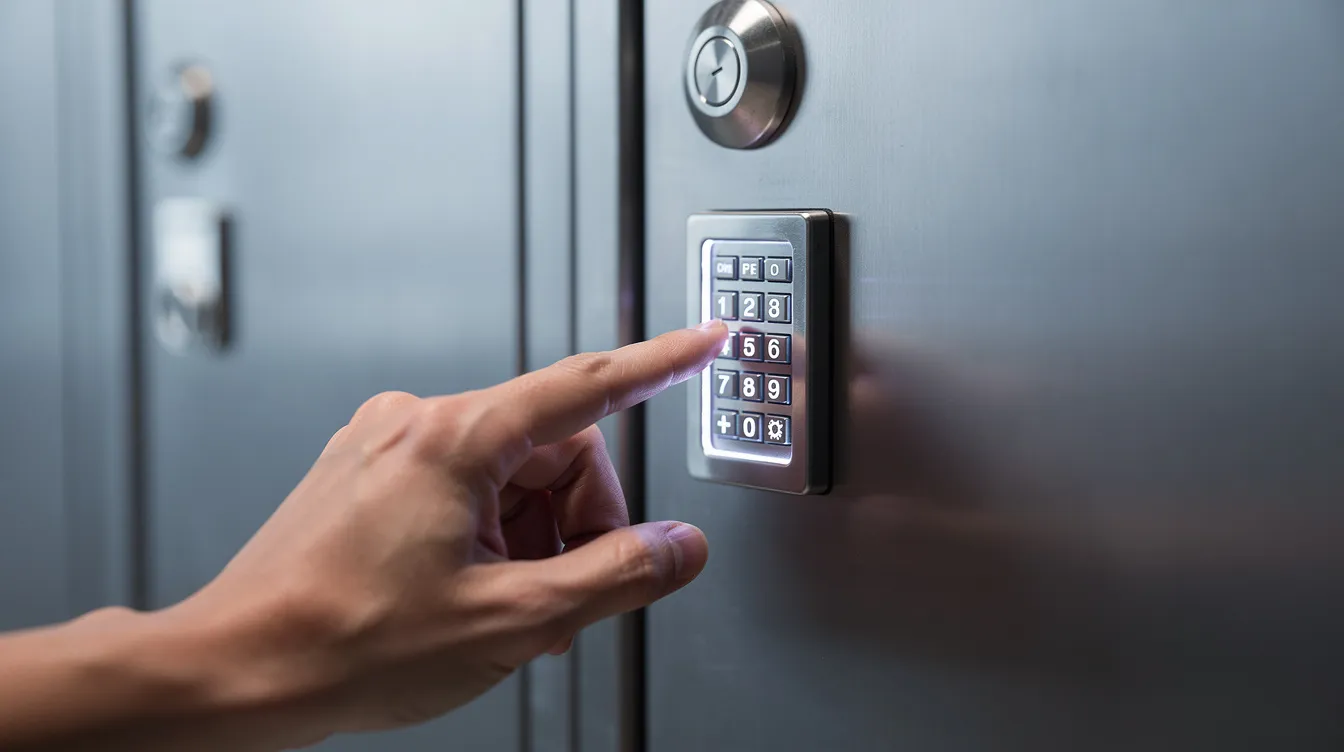
- Access control: PIN pads, RFID cards, or barcode bands issued at intake. Lockers with biometric access controls enhance security for users. Reusable RFID cards are easier to manage than physical keys for clients who stay short-term.
- Charging technology: Multi-standard charging (USB-A, USB-C, optional AC). Surge protection is essential. Public USB ports can pose security risks like data theft through “juice jacking,” so data-blocking USB modules that allow power flow while blocking data lines are non-negotiable. Charging lockers provide secure storage for laptops and tablets when AC outlets are included.
- Capacity: An 8 to 12-bay unit like the SmartLocker 8 suits a 25-bed emergency shelter. A 75-bed facility or large day center needs 24 to 36 bays, such as the SecureCharge 32 or 30 Bay Device Smart Locker. Wall-mounted cabinets save space in tight floorplans; free-standing units work in open day rooms.
- Safety and compliance: UL-listed power components, lockable main access panels, and cable routing that prevents ligature risks or trip hazards.
- Advanced features: Cloud connectivity, simple usage analytics, automated UV-C disinfection cycles that help maintain hygiene between users, and branding panels for shelter or municipal logos. Integrated furniture solutions can blend charging into everyday environments where adaptable layouts are needed.
Implementation: Siting, Policies, and Daily Operations
Success depends as much on policies and placement as on hardware. A well-chosen spot and clear rules make the difference between a resource residents trust and one they avoid.
Site selection: Charging kiosks should be placed in high-traffic areas with good visibility, such as near reception desks, day rooms, or computer labs. Avoid blocking egress routes. Standard 120V outlets in North America cover power needs; some free-standing units need conduit from a main panel. Contractors can assess whether circuit capacity is sufficient during a pre-installation visit.
Usage policies: Shelters must decide on time limits (e.g., 4 to 8 hours per use), overnight access rules, whether bays are assigned to a bed or used first-come, and how lost PINs or RFID cards are handled. Portland’s Homeless Services Center, for example, limits guests to one locker per person with ID required.
Intake and orientation: A one-page handout or two-minute script at intake covers how to use the locker, what the shelter’s responsibility is (and is not), and rules against storing prohibited items like weapons or alcohol. Keep instructions in large print, multiple languages where needed.
Staff roles: Define who can override a bay, how often lockers are checked for abandoned property, and the retention period for unclaimed devices (14 to 30 days, mirroring local policies). Charging stations must allow for regular maintenance access. Routine inspections should be scheduled weekly. Cleaning surfaces is essential for upkeep. Software updates are necessary for smart locker models. Charging stations should allow for quick repairs and replacements, and regular maintenance prevents device damage and ensures reliability.
Purchasing, Funding, and Rental Options with Honestwaves
Phone lockers are a capital investment comparable to bunk beds or security cameras. Shelters can buy outright or use rental and lease models depending on budget cycles.
HonestWaves works directly with city agencies, nonprofit shelter operators, and healthcare partners to scope needs, design layouts, and provide formal quotes suitable for board approval or RFP responses. Secure charging lockers provide individual user access, and purchasing options include one-time purchase with a lifetime hardware warranty, volume discounts for multi-site deployments, and optional installation services covering wall mounting, electrical coordination, and smart feature configuration. Charging stations should be designed for easy maintenance and repairs from the start.
For seasonal shelters or winter warming centers, short-term rentals (3 to 12 months) let a program test locker performance before committing. Pilot placements at one or two facilities collect usage data that support a city-wide expansion proposal.
Funding sources include municipal homelessness services budgets, ESG and Continuum of Care funds, private foundation grants focused on digital inclusion, and corporate sponsorships where a community-aware business underwrites a charging locker station. Contact Honestwaves for a tailored quote; provide your approximate resident count, hours of operation, and whether you need features like UV-C disinfection or cloud analytics.
How Honestwaves Designs Locker Solutions for Vulnerable Populations?
Honestwaves specializes in secure charging stations and smart lockers for high-traffic public environments, with deployments across hospitals, universities, and community centers. For shelters, the smart design principles are specific: intuitive interfaces for users with limited tech experience, large-print instructions in multiple languages, and ADA-conscious mounting heights so wheelchair users can access bays.
Protective technologies include built-in data-blocking on USB lines (power flows; data does not), optional UV-C disinfection for shared tablets or shelter-owned devices, and firmware that can be updated remotely without on-site IT. Cabinets are tested for frequent use, with scratch-resistant and rust-resistant finishes and cable systems that minimize failures even when handled roughly many times per day.
Honestwaves does not just sell hardware. The support model includes pre-deployment planning calls, staff training sessions, simple usage analytics reports, and ongoing access to a support team aware of shelter-specific challenges. Secure charging lockers improve accountability for device management and help organizations demonstrate impact to funders and city departments.
FAQ
How many phone locker bays does a typical shelter need?
Plan for 40 to 60% of nightly bed capacity in locker bays. If the shelter also functions as a daytime drop-in center serving non-residents, adjust upward. Start with one cabinet (12 or 24 bays) and expand after observing usage. Honestwaves can review traffic patterns and recommend configurations based on resident counts and operating hours.
Can residents break into other people’s lockers?
High-quality systems use reinforced steel doors, concealed hinges, and tamper-resistant locks, making forced entry difficult and conspicuous. Staff override keys or master codes exist for emergencies or abandonment. Honestwaves can advise on camera placement and policies that further deter tampering. Friends or other guests cannot access another person’s bay.
What happens if someone forgets their PIN or loses their RFID card?
Residents check in with staff, who verify identity per shelter policy and use a supervisor key or admin code to open or reset the bay. The person sets a new PIN or receives a replacement RFID token. Post a short sign near the lockers with clear, non-technical instructions so customers of the service know exactly what to do.
Can phone lockers charge other devices like tablets or small laptops?
Many locker bays charge phones, hotspots, and small tablets via USB. Some Honestwaves models include AC outlets designed for Chromebooks or compact laptops used in education or case management. Specify which device types you need to support during the quoting process so bays and power supplies are configured for the right range of devices, and heat dissipation and speed of charge are matched to your needs.
Do we need on-site IT staff to manage smart lockers?
No. Most shelter deployments are managed by program or facilities staff, not IT teams. Smart lockers are administered through a simple web dashboard or admin keypad, with training provided by Honestwaves. The app-based or web-based interface handles bay assignment, usage reports, and basic troubleshooting. Honestwaves offers remote support and can resolve many issues without requiring specialized technical expertise on site. An ideal setup requires no more than a brief staff orientation to manage.