

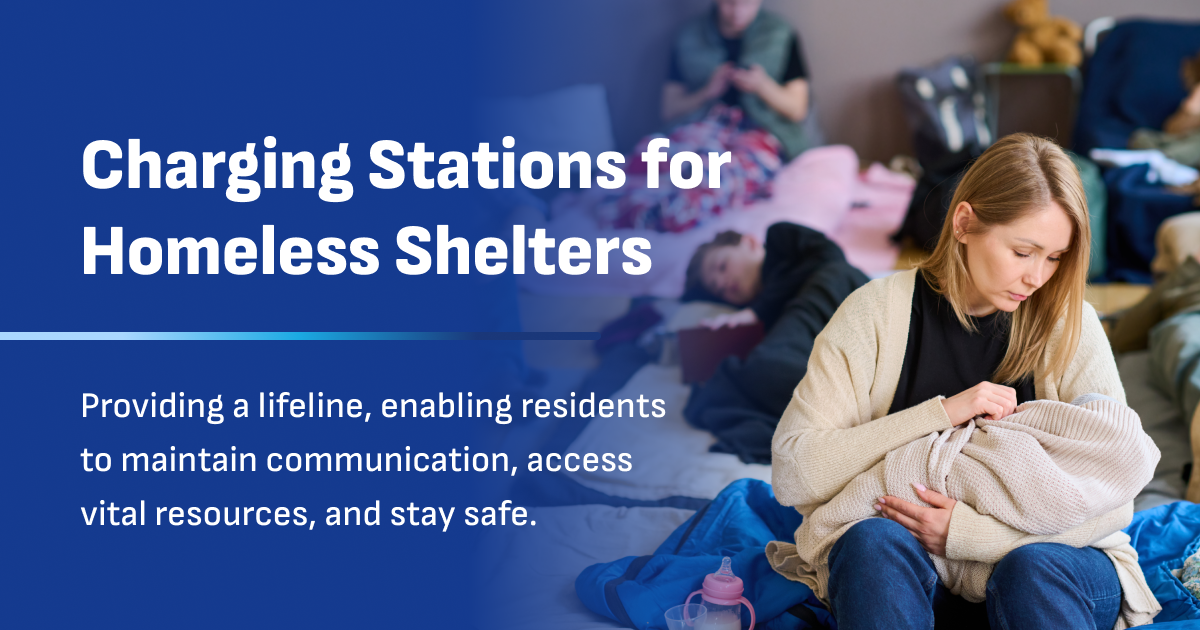
The Importance of Device Charging Stations For Homeless Shelters
Staying connected is crucial, especially for individuals experiencing homelessness. Many people in this situation hear their phone’s low battery alert and worry about how they will stay connected to essential services and loved ones. Charging stations for homeless shelters provide a lifeline, enabling residents to maintain communication, access vital resources, and stay safe. For many, the question of “where can I charge my phone” is a daily concern, making access to reliable charging solutions critical. Having a dependable place to charge your phone in a shelter can make all the difference in staying connected and safe. This blog explores why device charging lockers for shelters are essential and how they can significantly impact the lives of those in need.
Why Charging Stations are Essential For Homeless Shelters?
For homeless individuals, having a charged phone is more than a convenience; it’s a necessity. However, rules in shelters or public places often restrict when and where residents can charge their devices, making access unpredictable. Safe charging solutions for shelters ensure that residents can stay in touch with family, friends, and social services. Finding a safe place to charge devices at night is especially challenging, as many public outlets are unavailable or unsafe after hours. Whether it’s for job opportunities, emergency contacts, or simply maintaining a sense of connection, access to a reliable charging station can make all the difference, though shelters must also consider the costs associated with providing and maintaining these solutions.
Access to Resources
Many people experiencing homelessness rely on their smartphones to access essential services such as job searches, educational resources, and government assistance programs. Some people use an app to locate nearby outlets or charging stations, making it easier to find a place to power up. Public charging stations for shelters enable residents to keep their devices powered up, ensuring they can continue to use these vital tools.
Without access to a secure phone charging solution, residents may miss out on critical opportunities that could help them get back on their feet. Finding an available plug in public spaces can be a significant challenge, especially in busy or restricted environments. To learn more about the importance of resources for people experiencing homelessness, visit the National Alliance to End Homelessness Each person may have different strategies for keeping their devices charged, depending on their unique circumstances.
Safety and Emergency Situations
In emergency situations, having a fully charged device is critical. Whether it’s calling for help or receiving important alerts, phone charging in homeless shelters ensures that residents are never left in the dark. However, it’s important to be cautious when you connect your device to public charging stations, as unsecured USB ports can pose security risks such as data theft or malware installation.
Charging lockers provide a secure place to keep devices charged and ready for use, offering peace of mind for both residents and shelter staff. For more on how HUD supports homeless shelters, check out HUD Exchange’s Homelessness Assistance page
When traditional outlets are unavailable, solar panel chargers can offer a reliable emergency power source for charging devices.
Types of Charging Stations
Charging stations come in a variety of forms to meet the diverse needs of users and environments. Free-standing kiosks are a popular choice in high-traffic public spaces such as train stations, shopping malls, and parks, offering convenient access to power for most phones. These stations are designed for easy visibility and accessibility, making them ideal for busy areas where people need to quickly charge their devices.
Integrated furniture solutions are another innovative option, seamlessly blending charging capabilities into the everyday environments of coffee shops, office buildings, public libraries, and food courts. These solutions provide discreet charging access without disrupting the flow of common areas, allowing users to power up while enjoying other amenities.
For those who need flexibility, portable power banks are an essential resource. These compact devices can be carried anywhere, providing emergency charging on the go—whether on the streets, in parks, or while using public transportation. By offering a range of charging options, shelters and public facilities can ensure that everyone has access to reliable power, no matter where they are.
Power Banks for Emergency Charging
Power banks are a lifeline for homeless people who may not have consistent access to electrical outlets. Portable power banks can be recharged using solar panels or plugged into available outlets, making them a versatile solution for those who spend time in public spaces. Many organizations and community centers now offer access to charging stations and free wifi, helping currently homeless individuals stay connected and powered up.
When selecting a power bank, it’s important to consider factors such as battery capacity, charging speed, and overall durability to ensure it can handle daily use. Security is also a key concern—look for power banks with built-in USB data blockers to protect your device from potential threats when using public USB ports. By providing access to portable power banks and secure charging stations, communities can help bridge the digital divide and support those in need.
Charging Station Design and Installation
The effectiveness of charging stations depends greatly on thoughtful design and strategic installation. Placing charging kiosks in high-traffic common areas—such as fast food restaurants, train stations, and other public infrastructure hubs—ensures that they are accessible to the greatest number of people. Secure installation is essential to prevent device damage and ensure the safety of both users and their devices.
Regular maintenance access should be built into the design, allowing staff to quickly address any issues and keep the stations in top working condition. Privacy considerations are also important; features like individual charging compartments and secure payment or access systems can help create a safe and comfortable experience for users. By prioritizing smart design and careful installation, shelters and public facilities can maximize the benefits of their charging stations.
Privacy Considerations for Users
When using public charging stations, privacy and security should always be top of mind. Public USB ports can pose risks such as data theft or malware installation, so it’s wise to use a USB data blocker or carry your own charger whenever possible. Being aware of these risks and taking simple precautions can help protect your device and personal information.
Charging stations in public spaces should be designed with privacy considerations in mind, offering secure and private charging experiences. Features like encrypted payment processing and secure data storage add an extra layer of protection. By staying informed and prepared, users can safely charge their devices at stations throughout the community.
Charging Station Maintenance and Upkeep
To ensure charging stations remain reliable and safe, regular maintenance and upkeep are essential. Businesses and organizations should implement a routine schedule for inspecting stations, cleaning surfaces, and performing necessary software updates. This proactive approach helps prevent device damage and ensures a positive experience for all users.
Charging stations should also be designed for easy maintenance, allowing for quick repairs and replacements when needed. By prioritizing upkeep, businesses and community organizations can support the growing demand for public charging infrastructure, helping to create a more connected and accessible world for everyone. Regular maintenance not only extends the life of the stations but also reinforces trust and reliability within the community.
Benefits of Installing Device Charging Stations in Homeless Shelters
Accessibility and Security
Charging stations for homeless shelters are designed to be easily accessible to all residents. Many homeless workers may also rely on workplace outlets to charge their devices when possible, if it’s safe and allowed. By placing these stations in common areas, shelters can ensure that everyone has access to safe charging solutions. Additionally, the security features of charging lockers prevent theft and damage, offering peace of mind to both residents and staff, and helping keep all their stuff, such as phones and other electronics, secure while charging.
Sustainability and Longevity
Investing in affordable charging solutions for shelters is not only a short-term fix but a long-term benefit. These stations are built to last, ensuring that shelters can provide reliable charging options for years to come. Nonprofit organization charging stations are a sustainable solution that supports the ongoing needs of the shelter and its residents.
HonestWaves’ Role in Supporting Homeless Shelters
HonestWaves is proud to support homeless shelters by providing device charging lockers that are specifically designed to meet the needs of vulnerable populations. Our charging lockers for nonprofit organizations are equipped with advanced security features, ensuring that residents can safely charge their devices.
“When you’re experiencing homelessness, finding a place to charge your devices can be a daily challenge. From procuring the necessary wires to then finding an open outlet in a public space – many of the people we serve at our shelters are constantly struggling to keep things charged. Still even more complicated is the fact that many of our clients rely on cell phones or Wi-Fi enable devices to communicate with case managers, family, and more. HonestWaves’ charging locker was a game changer for our shelter guests this winter. We served nearly 3,000 unique guests during our city’s coldest months. Thank you for helping us offer such a valuable service to our guests!” – Ian A. The Homeless Alliance
By partnering with shelters like Homeless Alliance and Sunrise Navigation Center, we help enhance the services they provide, making a real difference in the lives of those who need it most.
Conclusion
Charging stations for homeless shelters are more than just a convenience. They are crucial support services for individuals. Ensuring residents can keep their devices charged and connected helps them take steps toward independence and stability. HonestWaves is committed to providing secure phone charging solutions. Our solutions meet the unique needs of homeless shelters, creating safer and more connected communities.