
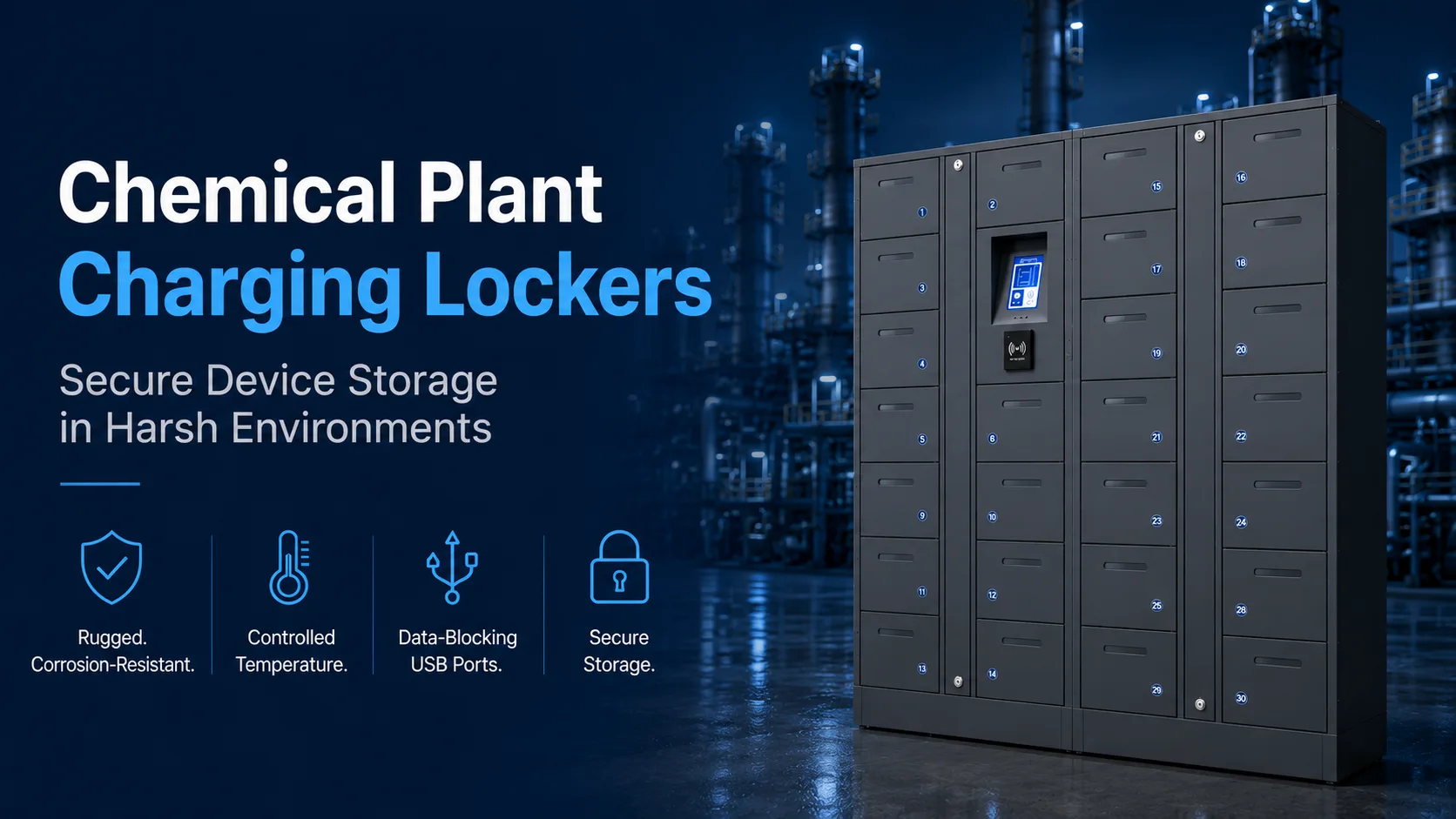
Chemical plants run around the clock. Devices die, go missing, or get corroded – and when they do, workflows break. Here’s how structured charging infrastructure solves that.
Why Chemical Plants Need Smart Charging Lockers
Chemical plant charging lockers are secure, ventilated, corrosion-resistant smart lockers purpose-built to charge and protect mobile devices, rugged tablets, handheld scanners, and laptops on chemical production sites. They’re charging lockers – secure storage units for electronic devices in industrial environments – combined with access control, data-blocking USB, and cloud monitoring.
The core problem is straightforward: smartphones, tablets, and scanners left on benches, stuffed in desk drawers, or daisy-chained to power strips inside control rooms create compounding safety, contamination, and data breach risks. With the global rugged devices market reaching $6.5 billion in 2024, chemical operations increasingly depend on specialized devices for everything from SAP PM work orders to field inspection apps. Yet roughly 50% of enterprises lack comprehensive mobile device management solutions, leaving expensive hardware exposed and untracked.
HonestWaves’ smart charging lockers address this with lockable bays, industrial-grade charging electronics, data-blocking USB ports, optional UV-C disinfection, and integration with mobile device management MDM platforms. Key use cases include:
- Shift workers parking intrinsically safe phones during reactor washdowns
- Contractors checking out rugged tablets near drum filling lines
- Control-room staff securing charged spares for emergency field service response
This article is written from the perspective of HonestWaves, a B2B supplier of secure charging infrastructure – not a software MDM vendor.

Hazards and Operational Challenges with Devices in Chemical Plants
Unmanaged phones and tablets in chemical processing environments face a unique set of risks that offices and healthcare facilities simply don’t encounter.
Environmental degradation is relentless. Corrosive atmospheres – mists of hydrochloric acid (HCl), sulfuric acid (H₂SO₄), and organic solvent vapors – attack connectors, degrade battery housings, and cause seal embrittlement over weeks. High humidity and extreme temperatures accelerate the damage.
Ignition risk is the most critical hazard. In flammable zones classified as ATEX Zone 1/2 or NEC Class I Division 1/2, unapproved chargers and power strips can serve as ignition sources. Charging lockers prevent ignition by using sealed or spark-free components in hazardous areas, and these lockers feature specialized ventilation and electrical connections to prevent hazards. Fire suppression systems should be installed where charging lockers are used for battery charging, and adequate ventilation is critical to prevent the accumulation of flammable gases during charging. Emergency preparedness plans need to specifically address battery fires.
Contamination compounds the problem: devices carried through powder-handling or resin areas bring residues back into clean labs and control rooms. And chemical plants must ensure lockers do not obstruct emergency exits or access to equipment.
Operational pain points hit hardest during turnarounds and 2 AM emergency calls – dead devices, missing scanners, and messy cabling around DCS consoles cause delays. Unmanaged mobile devices also create security risks: unauthorized photography in restricted areas, IP leakage, and uncontrolled USB data access.
From Ad-Hoc Charging to Structured Locker Systems
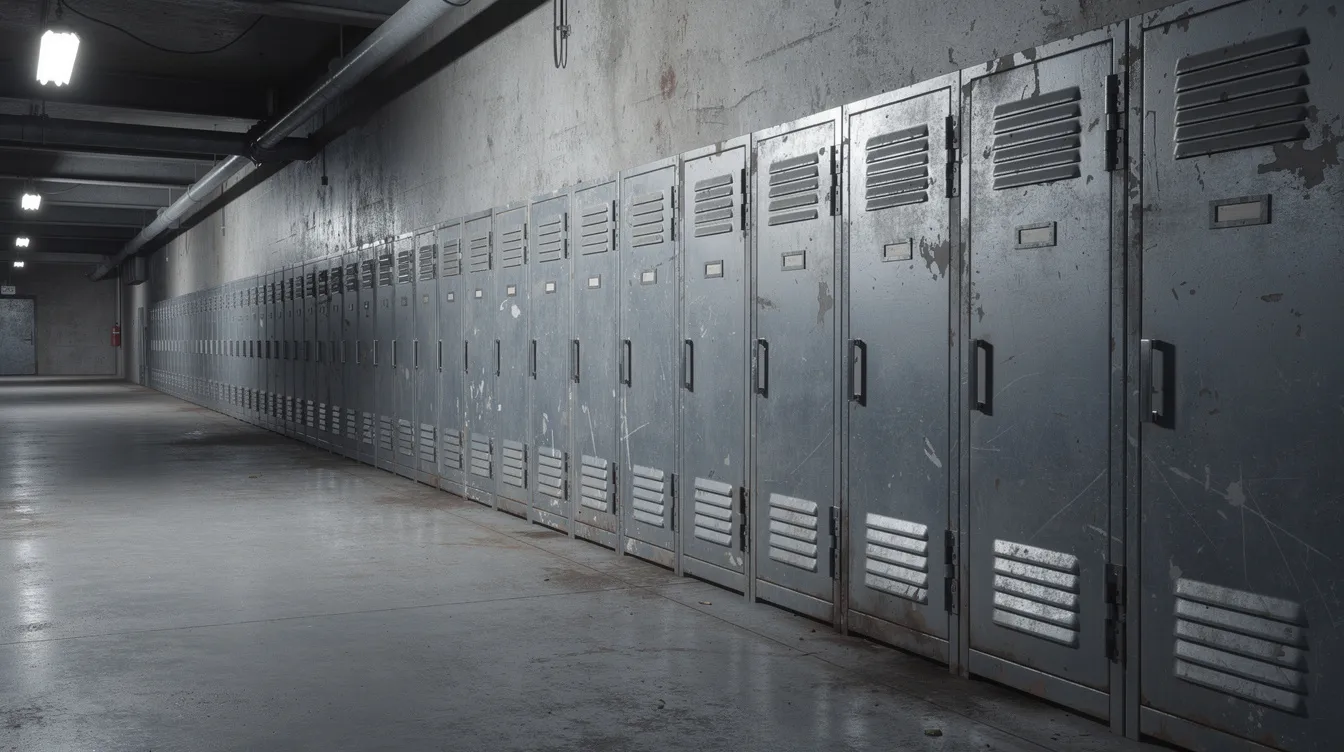
The typical “before” picture looks like this: multiple unlabeled chargers on a shared bench, tripping hazards from tangled cables, no audit trail, devices disappearing between shifts, and inconsistent charging quality. Personal electronic devices require secure and organized storage to prevent unauthorized removal – yet most plants still rely on ad-hoc setups.
Chemical plant charging lockers replace this chaos with a structured workflow: designated locations, numbered bays, check-in/check-out procedures, and clear ownership per shift or crew. A 24-bay locker at a main control building can service multiple production units, while a 12-bay portable charging kiosk covers temporary turnaround villages.
The impact on it teams and maintenance staff is immediate. Lockers can improve accountability and reduce downtime caused by dead batteries. Fewer “my tablet is dead” help desk tickets, faster device rotation, and clearer responsibility when damage or loss occurs. Using charging lockers requires strict adherence to safety protocols, but the payoff is reduced downtime and operational efficiency across every shift.
HonestWaves hardware can be deployed as both permanent installations (wall or floor mounted) and short-term rental units for outages or capital projects.
Design Requirements for Charging Lockers in Harsh Chemical Environments
Chemical plants impose demands that standard devices and office-grade lockers simply can’t handle. Construction, environmental performance, and electrical safety must all be engineered for demanding environments and challenging conditions.
Construction features:
- Powder-coated steel or 316 stainless steel bodies with chemical-resistant finishes
- Sealed hinges and cable pass-throughs with gaskets
- Industrial-grade door hardware operable with PPE gloves
- Bay sizing to accommodate rugged tablets with bumpers and handheld scanners
Environmental performance: Rugged devices meet military specifications like MIL-STD-810H and can operate in temperatures from -20°F to 140°F. Lockers housing these devices need equivalent resilience – IP65/IP66-rated enclosures for internal power components, humidity resistance for washdown areas, and corrosion-proof hardware. Rugged devices are designed to withstand drops and water exposure, so bay dimensions must accommodate protective casings. Regular inspection of chargers and cables is essential for safe operation of charging lockers.
Electrical and safety considerations:
- Charging lockers may feature overcurrent protection and temperature monitoring
- UL/CE-listed chargers with surge protection and GFCI where required
- Charging lockers should comply with OSHA battery charging regulations and NFPA standards
- Key considerations include explosion-proof ventilation and proper segregation of hazardous materials
- Lockers must be located outside classified explosive areas unless certified explosion-proof
HonestWaves offers configurable bay counts – 8, 16, 24, or 48 – and modular layouts so that maintenance shops, labs, and control buildings each get appropriately scaled systems.
Security, Compliance, and Auditability
Physical access control complements digital security in regulated chemical environments. A device locked in a bay can’t be photographed with, tampered with, or walked off a site.
Access control options: Charging lockers can be equipped with RFID badges or PIN codes for secure access. Badges can tie directly to plant access cards, while PINs serve contractors without permanent credentials. Multi-factor authentication reduces unauthorized access risks significantly, and optional integration with existing identity systems enables single sign-on to lockers.
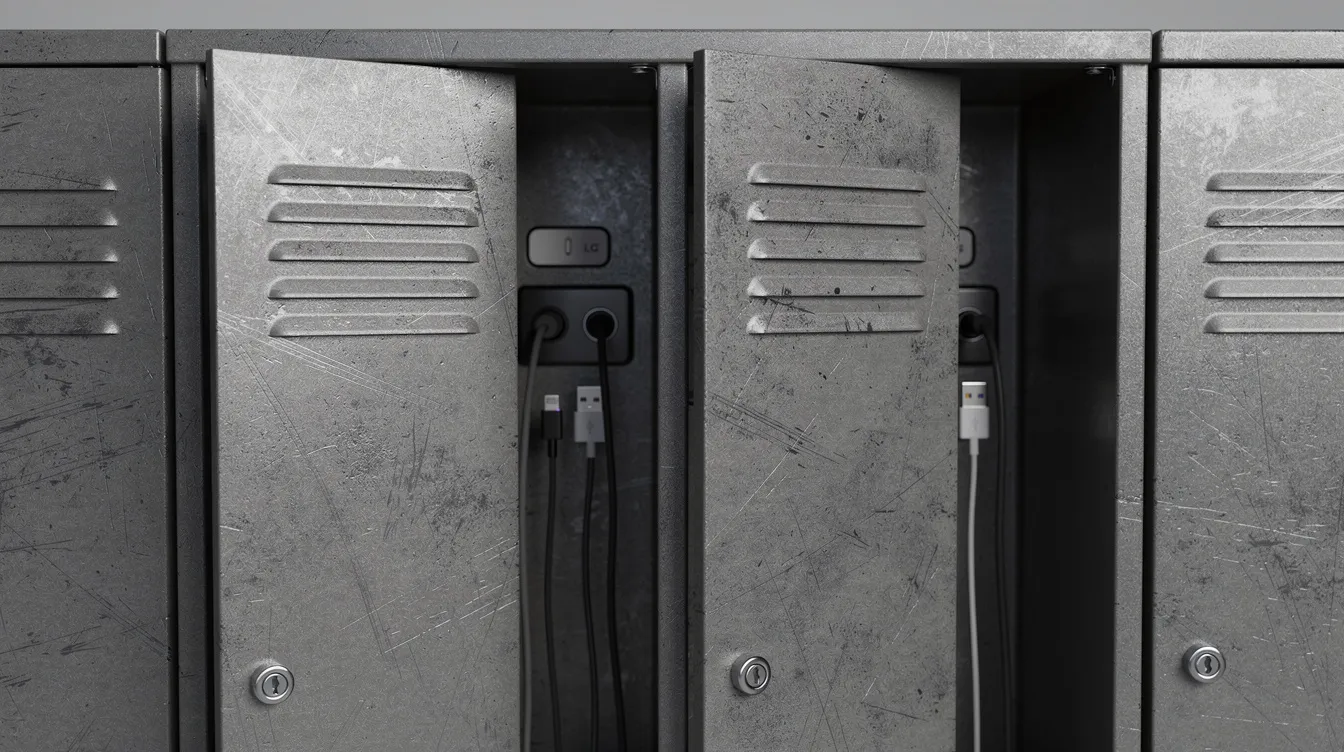
Data security measures: USB data-blocking technology ensures phones and tablets receive power only – no data line, no malware vector, no sensitive data exfiltration during charging. Full-disk encryption protects data at rest on mobile devices, and remote wipe capabilities erase sensitive data if devices are lost. Together, these measures defend sensitive information against both physical and digital threats.
Audit trails and compliance: Time-stamped logs capture which user opened which bay, for how long, and which device was assigned. This supports incident investigations, ISO documentation, and Responsible Care programs. HonestWaves cloud dashboards export usage and access reports for EHS and IT audits, demonstrating adherence to security policies and internal SOPs on mobile device handling.
In high traffic environments like loading terminals, tank farms, and railcar staging yards, locker-based accountability directly reduces theft and device “walking.”
Supporting Effective Rugged Device Management and MDM Strategies
Charging lockers aren’t just furniture – they’re a physical layer in your device management strategy. Effective rugged device management combines hardware lifecycle control with mdm solutions for configuration, patching, and remote monitoring.
It teams commonly use MDM to push security patches, corporate applications, and kiosk mode configurations to rugged tablets and handhelds running various operating systems. MDM enables remote monitoring and diagnostics of device health, but it works best when devices have a predictable “home base” – which is exactly what lockers provide.
Here’s how lockers enhance MDM:
- Devices returned to bays can receive overnight software updates and security patches via Wi-Fi without manual intervention
- Automated enrollment (zero touch enrollment) reduces deployment time from weeks to hours for new devices
- Remote management tasks – patching, inventory sync, real time data synchronization – run while devices charge
- Remote wipe can be triggered on devices flagged as compromised before they leave the locker
Rugged devices typically last 5-7 years in harsh environments, compared to 2-3 years for standard devices. Rugged MDM solutions reduce maintenance costs by 60-80%, and rugged device management reduces maintenance expenses by 60-80% overall. Yet 50% of enterprises do not consider comprehensive MDM solutions – a gap that structured locker systems help close by giving organizations a physical anchor point for their device fleet.
For remote locations – satellite pump houses, blending sheds, or remote blending terminals – positioning lockers where technicians rotate through centralizes device storage and simplifies inventory tracking across multiple locations.
Workflow Examples: Check-In/Check-Out and Kiosk Mode in Practice
Concrete workflows show how chemical plant charging lockers fit into daily operations and the unique challenges of shift-based industries.
Maintenance shift workflow: Morning shift arrives. Each technician badges into the smart locker, pulls a pre-assigned rugged tablet locked in kiosk mode with maintenance and inventory management apps only. At shift end, devices go back for charging, UV-C disinfection, and overnight software updates. The monitor dashboard shows all bays occupied and charging.
Contractor turnaround workflow: During a 2026 turnaround, a site rents an HonestWaves portable charging kiosk with 32 bays. The site office issues PINs for each contractor crew lead. Devices – phones, scanners, rugged tablets – are checked out daily and returned each evening. Location tracking via the cloud dashboard flags unreturned units. This mirrors workflows proven at distribution centers and construction sites.
Control-room emergency readiness: Spare intrinsically safe phones sit in always-charged bays, reserved for spill response or confined space entry. Access is restricted; audit trails ensure only authorized personnel check out mission critical applications devices.
Configuration options include single-user bays versus shared pool bays. Policies can require devices to be returned before a badge permits building exit – integrating with site access systems for maximum accountability. Kiosk mode and application whitelisting (managed via MDM) combine with lockers to keep usage focused on SOPs, work orders, and safety checklists – not personal browsing on an employee’s own device.
Practical Deployment: Siting, Power, Networking, and Integration
Getting the initial deployment right means coordinating plant engineers, electricians, and IT. Here’s what to plan for.
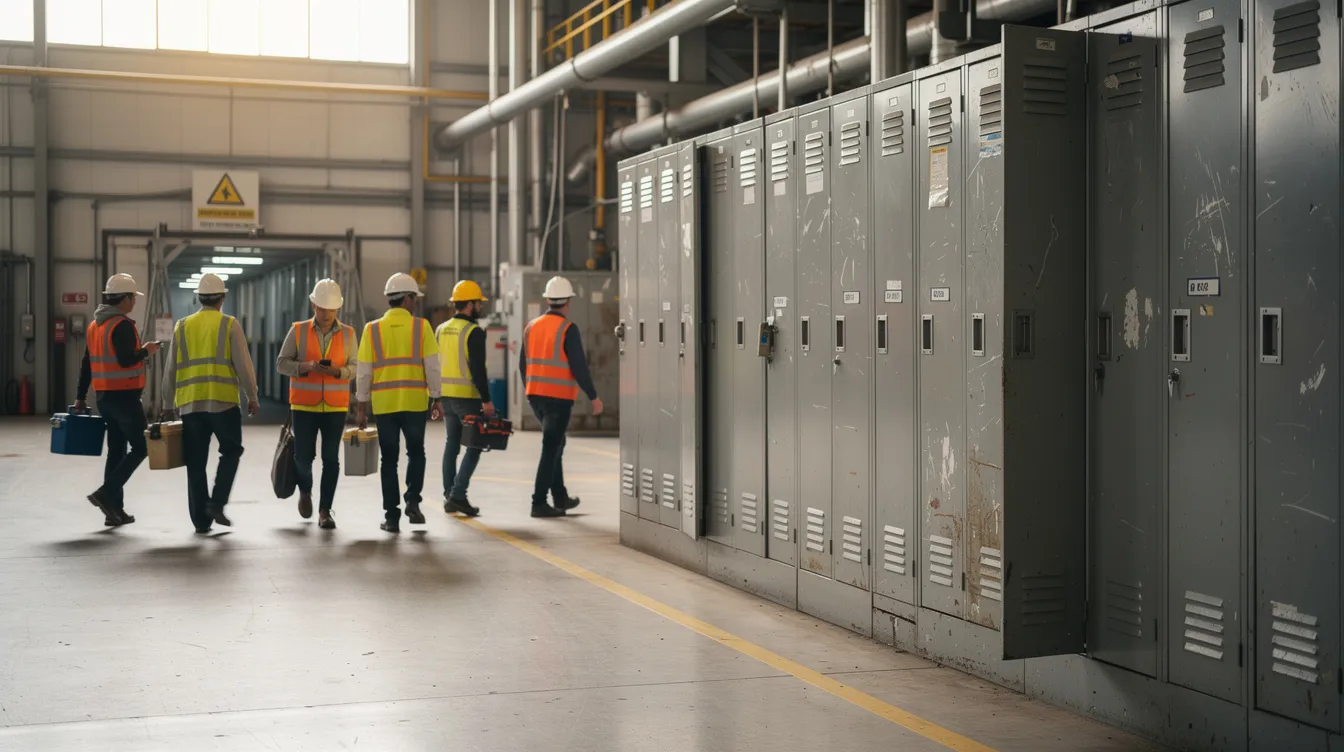
Siting: Place lockers near control rooms, maintenance shops, laboratories, and warehouse entries – but outside classified hazardous zones and away from direct chemical exposure. This applies equally to permanent installations and rentals at construction sites or temporary project villages. Lockers also support capabilities needed at healthcare facilities and other industries with similar regulatory requirements.
Power requirements: A 16-bay unit drawing 65W USB-C PD per bay plus AC outlets needs roughly 1,040W on a dedicated circuit. Coordinate with plant electricians for compliant installation – surge protection, GFCI in wet zones, and proper breaker sizing for 24- or 48-bay systems supporting continuous operation. This is essential for withstanding the demands of environments with extreme conditions.
Networking: Connect via wired Ethernet or secure Wi-Fi. Use segmented VLANs and VPN where corporate IT standards require it. For remote locations, ensure reliable backhaul or offline log buffering. API integration connects locker telemetry to existing warehouse management systems and BI tools.
Integration: Map locker users to HR/ID badge systems. Align bay numbering with asset registers for tracking inventory and inventory tracking. Feed usage analytics into existing dashboards so organizations can monitor occupancy and plan regular maintenance schedules across facilities.
Choosing HonestWaves Charging Lockers and Next Steps
Chemical plant charging lockers deliver what ad-hoc charging setups can’t: safety, security, uptime, and simplified device management in challenging environments – from coastal refineries to inland polymer plants.
HonestWaves differentiators for chemical plants:
- Industrial-grade steel construction with chemical-resistant finishes
- Data-blocking USB ports standard on all smart locker models
- Optional UV-C disinfection (99.9% pathogen reduction in ~5 minutes)
- Lifetime warranty on core hardware
- Multi-site deployment support and flexible rental options for turnarounds and pilot programs
Start by assessing your current mobile device practices: where are devices charged today? How are they tracked? What incidents or near misses have occurred with lost, dead, or contaminated tools?
Ready to spec a solution? Get a Quote or request a design consult to define bay counts, layouts, and integration needs for your facilities. Whether you’re outfitting a single control building or rolling out safe charging solutions across an enterprise fleet, HonestWaves builds the hardware that keeps your devices – and your operations – running.
Why Chemical Plants Need Smart Charging Lockers
Chemical plant charging lockers are secure, ventilated, corrosion-resistant smart lockers purpose-built to charge and protect mobile devices, rugged tablets, handheld scanners, and laptops on chemical production sites. They’re charging lockers – secure storage units for electronic devices in industrial environments – combined with access control, data-blocking USB, and cloud monitoring.
The core problem is straightforward: smartphones, tablets, and scanners left on benches, stuffed in desk drawers, or daisy-chained to power strips inside control rooms create compounding safety, contamination, and data breach risks. With the global rugged devices market reaching $6.5 billion in 2024, chemical operations increasingly depend on specialized devices for everything from SAP PM work orders to field inspection apps. Yet roughly 50% of enterprises lack comprehensive mobile device management solutions, leaving expensive hardware exposed and untracked.
Honest Waves’ smart charging lockers address this with lockable bays, industrial-grade charging electronics, data-blocking USB ports, optional UV-C disinfection, and integration with mobile device management MDM platforms. Key use cases include:
- Shift workers parking intrinsically safe phones during reactor washdowns
- Contractors checking out rugged tablets near drum filling lines
- Control-room staff securing charged spares for emergency field service response
This article is written from the perspective of Honest Waves, a B2B supplier of secure charging infrastructure – not a software MDM vendor.
Hazards and Operational Challenges with Devices in Chemical Plants
Unmanaged phones and tablets in chemical processing environments face a unique set of risks that offices and healthcare facilities simply don’t encounter.
Environmental degradation is relentless. Corrosive atmospheres – mists of hydrochloric acid (HCl), sulfuric acid (H₂SO₄), and organic solvent vapors – attack connectors, degrade battery housings, and cause seal embrittlement over weeks. High humidity and extreme temperatures accelerate the damage.
Ignition risk is the most critical hazard. In flammable zones classified as ATEX Zone 1/2 or NEC Class I Division 1/2, unapproved chargers and power strips can serve as ignition sources. Charging lockers prevent ignition by using sealed or spark-free components in hazardous areas, and these lockers feature specialized ventilation and electrical connections to prevent hazards. Fire suppression systems should be installed where charging lockers are used for battery charging, and adequate ventilation is critical to prevent the accumulation of flammable gases during charging. Emergency preparedness plans need to specifically address battery fires.
Contamination compounds the problem: devices carried through powder-handling or resin areas bring residues back into clean labs and control rooms. And chemical plants must ensure lockers do not obstruct emergency exits or access to equipment.
Operational pain points hit hardest during turnarounds and 2 AM emergency calls – dead devices, missing scanners, and messy cabling around DCS consoles cause delays. Unmanaged mobile devices also create security risks: unauthorized photography in restricted areas, IP leakage, and uncontrolled USB data access.
From Ad-Hoc Charging to Structured Locker Systems
The typical “before” picture looks like this: multiple unlabeled chargers on a shared bench, tripping hazards from tangled cables, no audit trail, devices disappearing between shifts, and inconsistent charging quality. Personal electronic devices require secure and organized storage to prevent unauthorized removal – yet most plants still rely on ad-hoc setups.
Chemical plant charging lockers replace this chaos with a structured workflow: designated locations, numbered bays, check-in/check-out procedures, and clear ownership per shift or crew. A 24-bay locker at a main control building can service multiple production units, while a 12-bay portable charging kiosk covers temporary turnaround villages.
The impact on it teams and maintenance staff is immediate. Lockers can improve accountability and reduce downtime caused by dead batteries. Fewer “my tablet is dead” help desk tickets, faster device rotation, and clearer responsibility when damage or loss occurs. Using charging lockers requires strict adherence to safety protocols, but the payoff is reduced downtime and operational efficiency across every shift.
Honest Waves hardware can be deployed as both permanent installations (wall or floor mounted) and short-term rental units for outages or capital projects.
Design Requirements for Charging Lockers in Harsh Chemical Environments
Chemical plants impose demands that standard devices and office-grade lockers simply can’t handle. Construction, environmental performance, and electrical safety must all be engineered for demanding environments and challenging conditions.
Construction features:
- Powder-coated steel or 316 stainless steel bodies with chemical-resistant finishes
- Sealed hinges and cable pass-throughs with gaskets
- Industrial-grade door hardware operable with PPE gloves
- Bay sizing to accommodate rugged tablets with bumpers and handheld scanners
Environmental performance: Rugged devices meet military specifications like MIL-STD-810H and can operate in temperatures from -20°F to 140°F. Lockers housing these devices need equivalent resilience – IP65/IP66-rated enclosures for internal power components, humidity resistance for washdown areas, and corrosion-proof hardware. Rugged devices are designed to withstand drops and water exposure, so bay dimensions must accommodate protective casings. Regular inspection of chargers and cables is essential for safe operation of charging lockers.
Electrical and safety considerations:
- Charging lockers may feature overcurrent protection and temperature monitoring
- UL/CE-listed chargers with surge protection and GFCI where required
- Charging lockers should comply with OSHA battery charging regulations and NFPA standards
- Key considerations include explosion-proof ventilation and proper segregation of hazardous materials
- Lockers must be located outside classified explosive areas unless certified explosion-proof
Honest Waves offers configurable bay counts – 8, 16, 24, or 48 – and modular layouts so that maintenance shops, labs, and control buildings each get appropriately scaled systems.
Security, Compliance, and Auditability
Physical access control complements digital security in regulated chemical environments. A device locked in a bay can’t be photographed with, tampered with, or walked off a site.
Access control options: Charging lockers can be equipped with RFID badges or PIN codes for secure access. Badges can tie directly to plant access cards, while PINs serve contractors without permanent credentials. Multi-factor authentication reduces unauthorized access risks significantly, and optional integration with existing identity systems enables single sign-on to lockers.
Data security measures: USB data-blocking technology ensures phones and tablets receive power only – no data line, no malware vector, no sensitive data exfiltration during charging. Full-disk encryption protects data at rest on mobile devices, and remote wipe capabilities erase sensitive data if devices are lost. Together, these measures defend sensitive information against both physical and digital threats.
Audit trails and compliance: Time-stamped logs capture which user opened which bay, for how long, and which device was assigned. This supports incident investigations, ISO documentation, and Responsible Care programs. Honest Waves cloud dashboards export usage and access reports for EHS and IT audits, demonstrating adherence to security policies and internal SOPs on mobile device handling.
In high traffic environments like loading terminals, tank farms, and railcar staging yards, locker-based accountability directly reduces theft and device “walking.”
Supporting Effective Rugged Device Management and MDM Strategies
Charging lockers aren’t just furniture – they’re a physical layer in your device management strategy. Effective rugged device management combines hardware lifecycle control with mdm solutions for configuration, patching, and remote monitoring.
It teams commonly use MDM to push security patches, corporate applications, and kiosk mode configurations to rugged tablets and handhelds running various operating systems. MDM enables remote monitoring and diagnostics of device health, but it works best when devices have a predictable “home base” – which is exactly what lockers provide.
Here’s how lockers enhance MDM:
- Devices returned to bays can receive overnight software updates and security patches via Wi-Fi without manual intervention
- Automated enrollment (zero touch enrollment) reduces deployment time from weeks to hours for new devices
- Remote management tasks – patching, inventory sync, real time data synchronization – run while devices charge
- Remote wipe can be triggered on devices flagged as compromised before they leave the locker
Rugged devices typically last 5-7 years in harsh environments, compared to 2-3 years for standard devices. Rugged MDM solutions reduce maintenance costs by 60-80%, and rugged device management reduces maintenance expenses by 60-80% overall. Yet 50% of enterprises do not consider comprehensive MDM solutions – a gap that structured locker systems help close by giving organizations a physical anchor point for their device fleet.
For remote locations – satellite pump houses, blending sheds, or remote blending terminals – positioning lockers where technicians rotate through centralizes device storage and simplifies inventory tracking across multiple locations.
Workflow Examples: Check-In/Check-Out and Kiosk Mode in Practice
Concrete workflows show how chemical plant charging lockers fit into daily operations and the unique challenges of shift-based industries.
Maintenance shift workflow: Morning shift arrives. Each technician badges into the smart locker, pulls a pre-assigned rugged tablet locked in kiosk mode with maintenance and inventory management apps only. At shift end, devices go back for charging, UV-C disinfection, and overnight software updates. The monitor dashboard shows all bays occupied and charging.
Contractor turnaround workflow: During a 2026 turnaround, a site rents an Honest Waves portable charging kiosk with 32 bays. The site office issues PINs for each contractor crew lead. Devices – phones, scanners, rugged tablets – are checked out daily and returned each evening. Location tracking via the cloud dashboard flags unreturned units. This mirrors workflows proven at distribution centers and construction sites.
Control-room emergency readiness: Spare intrinsically safe phones sit in always-charged bays, reserved for spill response or confined space entry. Access is restricted; audit trails ensure only authorized personnel check out mission critical applications devices.
Configuration options include single-user bays versus shared pool bays. Policies can require devices to be returned before a badge permits building exit – integrating with site access systems for maximum accountability. Kiosk mode and application whitelisting (managed via MDM) combine with lockers to keep usage focused on SOPs, work orders, and safety checklists – not personal browsing on an employee’s own device.
Practical Deployment: Siting, Power, Networking, and Integration
Getting the initial deployment right means coordinating plant engineers, electricians, and IT. Here’s what to plan for.
Siting: Place lockers near control rooms, maintenance shops, laboratories, and warehouse entries – but outside classified hazardous zones and away from direct chemical exposure. This applies equally to permanent installations and rentals at construction sites or temporary project villages. Lockers also support capabilities needed at healthcare facilities and other industries with similar regulatory requirements.
Power requirements: A 16-bay unit drawing 65W USB-C PD per bay plus AC outlets needs roughly 1,040W on a dedicated circuit. Coordinate with plant electricians for compliant installation – surge protection, GFCI in wet zones, and proper breaker sizing for 24- or 48-bay systems supporting continuous operation. This is essential for withstanding the demands of environments with extreme conditions.
Networking: Connect via wired Ethernet or secure Wi-Fi. Use segmented VLANs and VPN where corporate IT standards require it. For remote locations, ensure reliable backhaul or offline log buffering. API integration connects locker telemetry to existing warehouse management systems and BI tools.
Integration: Map locker users to HR/ID badge systems. Align bay numbering with asset registers for tracking inventory and inventory tracking. Feed usage analytics into existing dashboards so organizations can monitor occupancy and plan regular maintenance schedules across facilities.
Choosing Honest Waves Charging Lockers and Next Steps
Chemical plant charging lockers deliver what ad-hoc charging setups can’t: safety, security, uptime, and simplified device management in challenging environments – from coastal refineries to inland polymer plants.
Honest Waves differentiators for chemical plants:
- Industrial-grade steel construction with chemical-resistant finishes
- Data-blocking USB ports standard on all smart locker models
- Optional UV-C disinfection (99.9% pathogen reduction in ~5 minutes)
- Lifetime warranty on core hardware
- Multi-site deployment support and flexible rental options for turnarounds and pilot programs
Start by assessing your current mobile device practices: where are devices charged today? How are they tracked? What incidents or near misses have occurred with lost, dead, or contaminated tools?
If you’re still evaluating options, learn how smart lockers work and what they really cost.
Ready to spec a solution? Get a Quote or request a design consult to define bay counts, layouts, and integration needs for your facilities. Whether you’re outfitting a single control building or rolling out safe charging solutions across an enterprise fleet, Honest Waves builds the hardware that keeps your devices – and your operations – running.