
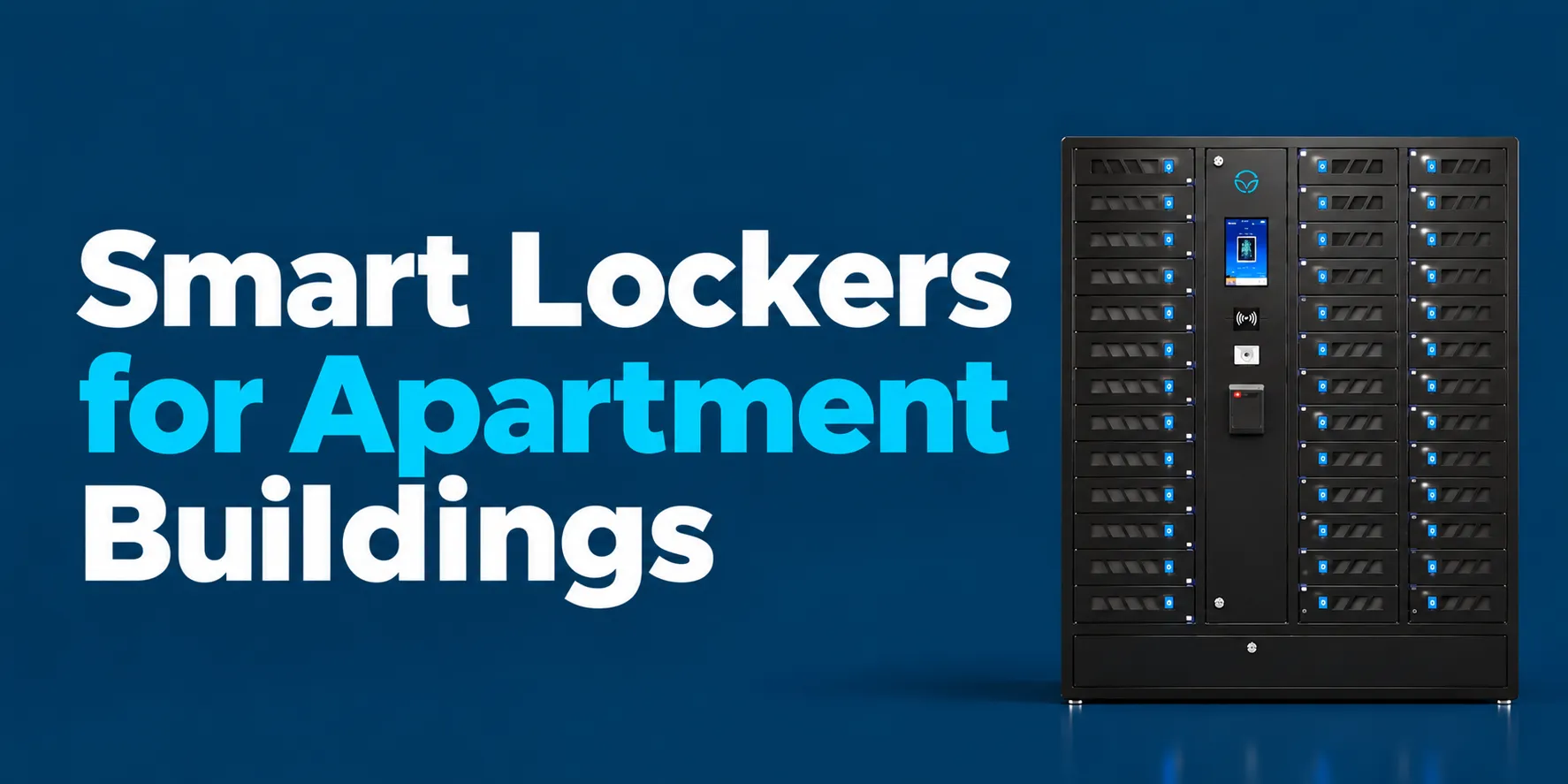
You know that pile of packages sitting in your lobby right now? The one your front desk staff has been babysitting since 8 a.m.? Yeah, that’s exactly the problem smart lockers were built to solve.
If you manage an apartment building, you’ve probably watched package volume creep up year after year. Residents order everything online, from coffee filters to couches, and all of it ends up at your door. Literally. And with that volume comes the headaches: missing packages, theft complaints, angry residents, and property staff spending half their day playing mailroom clerk instead of doing actual leasing work.
Smart lockers for apartment buildings are electronic parcel lockers that accept, store, and release packages automatically. No manual logging. No sticky notes. No “I swear I left it on the shelf.” Couriers drop deliveries into locked compartments, residents get notified, and they pick up whenever it’s convenient. Simple.
These days, smart lockers sit right alongside WiFi and covered parking as amenities residents actually expect. They’re increasingly popular in apartment complexes, and for good reason. At HonestWaves, we build smart locker systems alongside secure phone charging lockers, and we’ve seen firsthand how the right system transforms building operations. Let’s walk through how all of this works and how to pick the right setup for your property.
What Are Smart Lockers for Apartment Buildings, Exactly?
In plain terms, smart lockers are electronic parcel lockers installed in shared areas like lobbies, vestibules, or dedicated package rooms. Common placements include lobbies and mailrooms where residents naturally pass through.
Each system has three main pieces working together:
- Multiple compartments in different sizes (small envelope slots up to large parcel bays)
- A central touchscreen or control panel where couriers interact with the system
- Cloud-connected software that manages everything behind the scenes: resident directories, notifications, audit logs, and usage analytics
Here’s what a typical day looks like. A FedEx driver walks in around 2 p.m., scans a package at the touchscreen, and the system auto-assigns a compartment that fits. The resident gets a text with a unique access code five seconds later. That evening, they swing by the lobby, punch in the code, grab their box, and head upstairs. No office visit. No waiting. No “can you check in the back?”
That’s the core difference from traditional mailboxes or a basic package room with shelves and a padlock. Smart lockers add automation, audit trails, and controlled access. Every action is logged: who delivered what, which compartment it went into, when the resident picked it up. That level of visibility is something a shelf in a closet will never give you.
These systems work across all sorts of buildings. A 100 unit mid-rise with moderate volume. A 300+ unit high rise where dozens of deliveries arrive daily. Student housing complexes where residents order constantly and pick up at odd hours. Mixed use properties with both residential and commercial tenants. The core workflow stays the same.
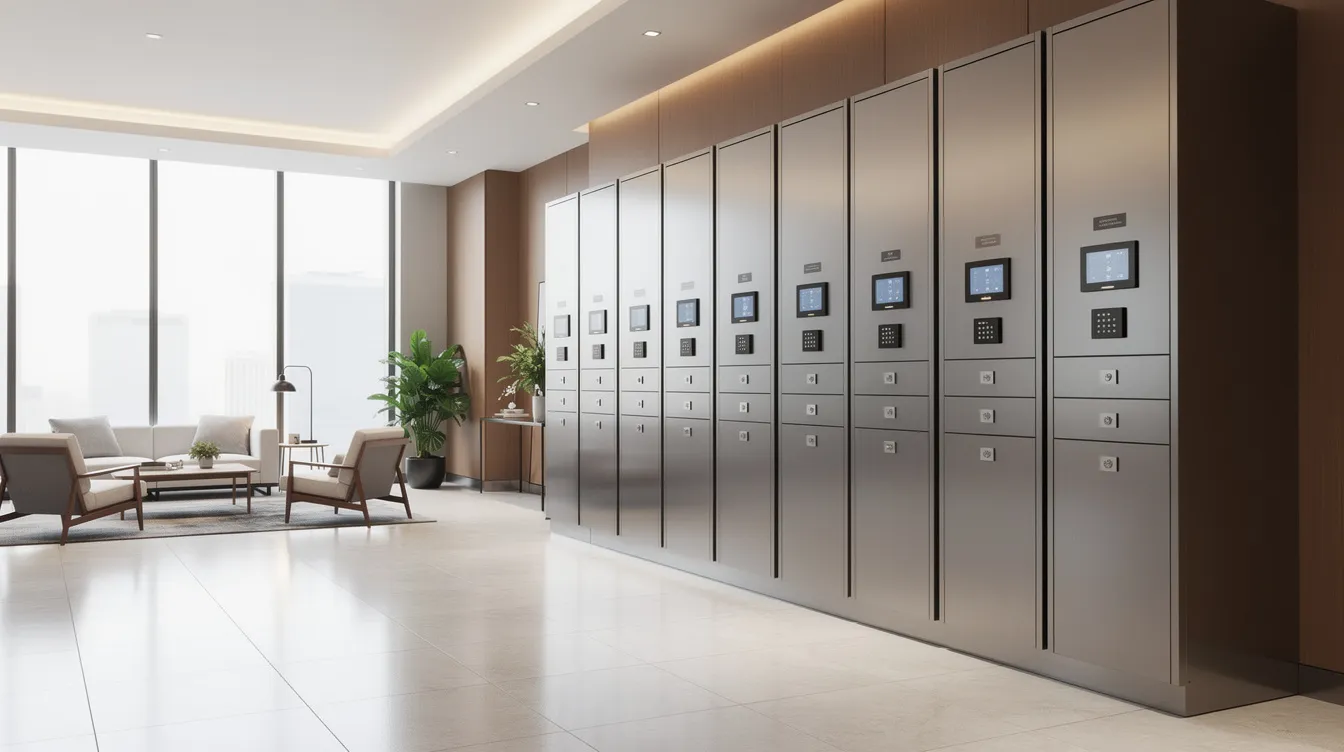
How Smart Lockers Work Step by Step, From Courier to Resident?
The whole process is surprisingly straightforward once you see it broken down.
Courier drops off the package. The delivery person authenticates at the locker’s touchscreen using a PIN, QR code, or carrier-specific credentials. They scan the tracking barcode, and the system assigns a compartment that fits the parcel. Delivery drivers use authorized access to operate the system, so random people can’t just open compartments.
The system matches the package to a resident. This is where property management software integration matters. When your resident directory syncs with the locker system, packages get matched automatically. No manual data entry for property managers. If the integration is set up right, new move-ins appear in the system and move-outs get deactivated without anyone lifting a finger.
Resident gets notified. Systems include real-time notifications for residents upon delivery. Text, email, or app push notification with a secure access code or QR code. Smart lockers automate notifications, reducing missed pickups significantly. Some systems also support staggered pickup notifications to prevent everyone showing up at the same time.
Pickup happens whenever. Resident walks to the locker, enters their code, and the compartment opens. Done. The system logs the pickup time and identity.
Overdue and exception handling. If a package sits too long, smart locker alerts kick in with automatic reminders. Escalation rules can notify property staff or trigger return-to-office and return-to-sender policies. Some systems even support outgoing shipments and returns, so residents can drop off prepaid return packages.
Beyond packages. The same workflow handles internal assets. Student housing properties use lockers for loaner laptops and shared devices. Mixed use buildings manage keys, tablets, and equipment this way. If you’re curious about device tracking specifically, check out how smart lockers track device checkouts and returns.
Smart Lockers vs Package Rooms vs Traditional Package Rooms
Let’s be honest. There are three common approaches, and none of them is perfect for every building.
The pile-it-in-the-office method. Packages land on a table behind the leasing desk. Staff manually logs them (maybe). Residents come knocking during office hours. It “works” until it doesn’t, which is usually around the third time someone’s package goes missing.
Basic package rooms. A locked room with shelving. Apartment package rooms use flexible shelving instead of fixed compartments, which means they can accommodate weird shapes and bulk items. Package rooms can hold two to three times more parcels than lockers, and high-volume buildings often prefer package rooms over lockers for exactly that reason. But they still need someone to organize them, and package rooms require thoughtful layout planning to stay efficient. Smart package rooms can store packages securely using open shelving against lockers, combining both approaches.
Smart package lockers. Highest automation, best per-parcel security, strongest tracking. But lockers can refuse delivery when full or for oversized parcels, which means you need a backup plan.
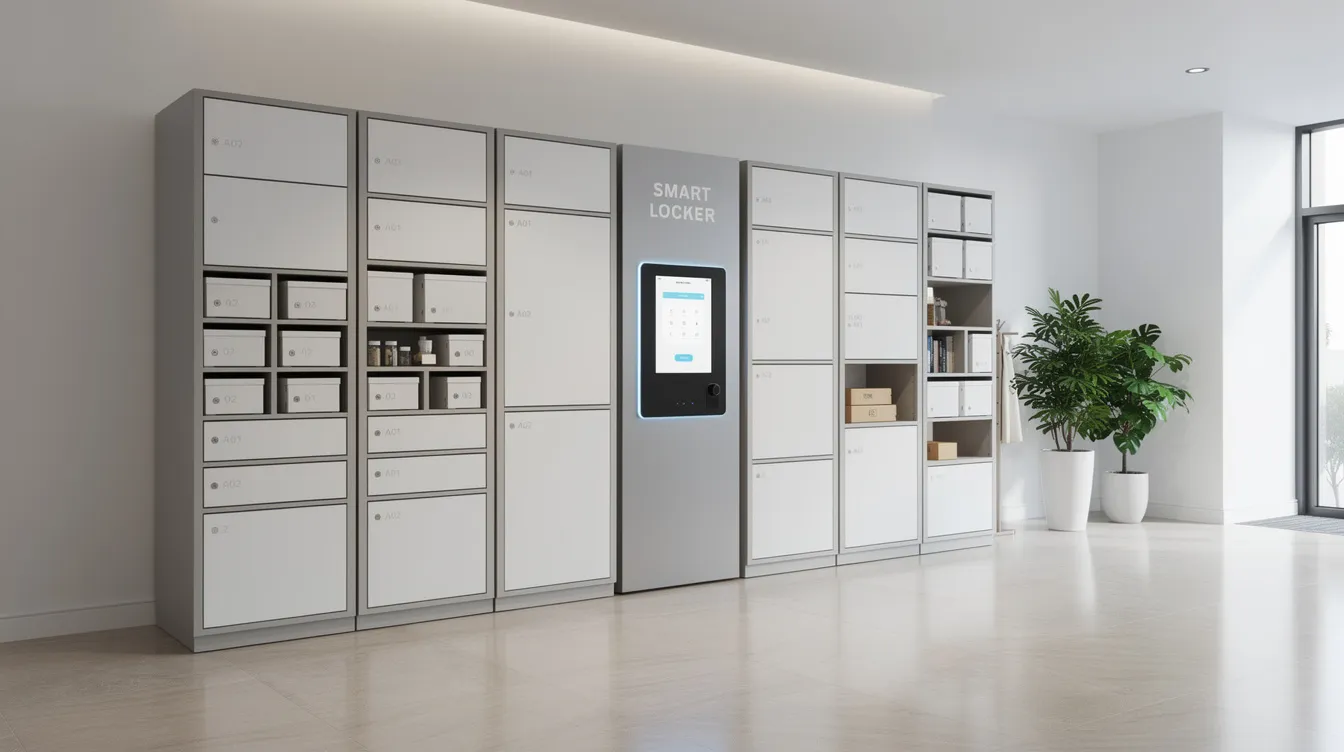
Here’s what actually works for a lot of larger apartment communities: a hybrid setup. Secure package lockers handle standard and mid-sized deliveries. A separate package room zone catches the overflow and oversized items. The “best” option really depends on your volume, footprint, staffing, and what your residents expect. There’s no one-size-fits-all answer.
| Feature | Traditional Room | Basic Package Room | Smart Lockers | Hybrid |
|---|---|---|---|---|
| Automation | None | Minimal | Full | Full |
| Security per parcel | Low | Medium | High | High |
| Oversized capacity | Flexible | Good | Limited | Best |
| Staff time required | High | Medium | Low | Low |
| Cost | Lowest | Low | Higher | Highest |
Key Benefits for Property Managers and Building Owners
Let’s frame this the way it actually matters to you: smart lockers are an operational tool first, a shiny amenity second.
Your team gets their time back. Smart lockers reduce the workload for property management teams significantly. Building staff save time by using smart lockers instead of handling packages manually. According to NMHC data, the average apartment community receives 149 packages per week, and staff in many properties spend multiple hours weekly just on package management. That’s time your leasing offices could spend on, you know, leasing.
Enhanced security without extra headcount. Controlled access, audit trails, and camera coverage help prevent package theft and reduce your liability exposure. Automated tracking minimizes disputes over lost or damaged packages because everything is logged.
Resident satisfaction isn’t just a buzzword. Smart lockers offer organized storage solutions that improve resident satisfaction. A field experiment in Seattle found 96% of residents expressed satisfaction with their building’s parcel locker system. Happy residents leave better reviews, renew leases, and stop sending angry emails about lost parcels.
Future proofing. Package volume keeps climbing. An AvalonBay study across 40 buildings showed a 65% increase in deliveries over just 19 months. Smart lockers prevent package overflow during busy delivery times and let you scale capacity modularly instead of scrambling for ad hoc fixes every holiday season.
Resident Experience: What It Actually Feels Like
Picture this. It’s 11 p.m. on a Tuesday. You just got home from a long shift. Your phone buzzes: “Your package has been delivered to Locker 14. Your code: 7291.” You walk into a well-lit lobby, tap the code into the screen, grab your box, and head upstairs. No waiting until tomorrow. No bothering anyone.
That’s what apartment package lockers actually feel like for residents. They provide 24/7 package access, and residents can access packages 24/7 without staff assistance. No office hours. No awkward “did my package arrive?” conversations.
Accessibility matters too. Good systems offer ADA compliant screens, clear fonts, audio guidance, and simple flows. Not everyone wants to download an app, and they shouldn’t have to. PINs and QR codes work just fine.
The real win? Residents stop worrying about whether a high-value delivery will sit outside their apartment door all afternoon. Smart lockers provide 24/7 access and tracking for packages, and that peace of mind is something residents genuinely value at renewal time.
Security, Smart Locker Alerts, and Preventing Package Theft
Here’s a number that should get your attention: 37% of apartment renters experienced package theft in the past year. In 2019, 90,000 packages were stolen daily in New York City alone. Property managers are under real pressure to provide enhanced security without adding more staff.
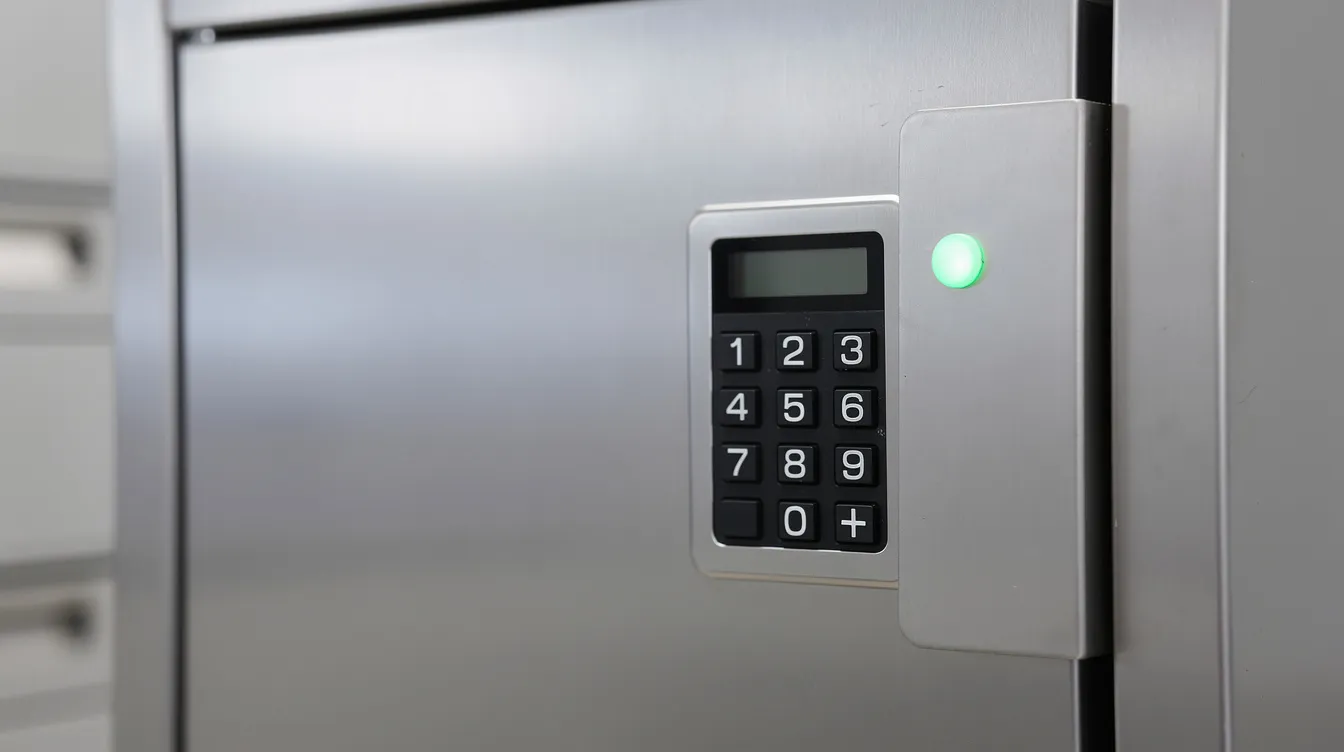
Smart lockers reduce package theft by securing deliveries inside locked, monitored compartments. Each locker compartment is equipped with robust locks and sensors. Steel construction, internal hinges, and controlled access make them seriously difficult to tamper with. Smart lockers eliminate common theft points in delivery systems, the hallway drop-off, the unlocked package room, the “it was right here an hour ago” situation.
Security and access control are essential features of smart lockers. Smart lockers can include features like camera integration for tracking, so you’ve got video alongside your digital audit trail. Each locker has robust locks and surveillance capabilities that work together.
Now here’s the thing that really helps property teams day to day: smart locker alerts for overdue devices, tampering, and maintenance. If someone forces a door, you get notified immediately. If a compartment sensor goes offline, your maintenance team knows before residents start complaining. If a package sits uncollected for too long, automatic reminders go out, and escalation rules keep compartments available.
At HonestWaves, our lockers also use data blocking USB technology and secure compartments when used for phones and tablets. That crossover between package security and device security is something most vendors don’t even think about.
Handling Oversized Packages, Perishables, and Special Deliveries
Let’s talk about the elephant in the room. Or more accurately, the 55-inch TV in the lobby.
TVs, bicycles, mattresses, meal kits, grocery deliveries. None of these fit in a standard compartment. It’s one of the most common concerns property managers raise, and it’s totally valid.
Modern apartment package locker systems address this with a mix of compartment sizes, including dedicated oversized compartments for bulky items. Modular lockers can mix and match compartment sizes for flexibility, so you’re not stuck with a wall of identical cubbies. When something truly won’t fit, a separate package room zone for accommodating packages makes more sense than forcing it.
Different types of smart lockers include refrigerated and oversized lockers. Temperature-controlled lockers are necessary for perishable items like groceries and medication, and larger apartment communities are increasingly adding refrigerated lockers or temperature-controlled wings. Lockers can accommodate oversized and refrigerated deliveries when properly configured.
Planning matters here. Look at your seasonal spikes, especially during holidays when NMHC data shows volume jumps roughly 81% above typical weeks. If you’d like to explore the full range of options, our guide on smart locker sizes and types breaks it all down. HonestWaves smart locker configurations are modular, so properties can start small and add oversized modules as volume grows.
How Smart Lockers Connect With Property Management Software?
If you’re worried this requires a full IT overhaul, relax. It doesn’t. Integrations can be done gradually.
Lockers can integrate with property management software for efficiency by syncing resident rosters automatically. When someone moves in, they appear in the locker directory. When someone moves out, their access gets deactivated. No manual uploads, no stale data sitting around causing misdelivered packages.
Cloud-connected software manages smart locker operations, giving property managers real-time dashboards and reporting. Automated systems improve data accuracy and streamline operations, which means fewer mistakes and better package management data for your quarterly reports.
For buildings using existing access control systems, seamless integration means couriers and residents can sometimes use the same credentials they already use at the front door. If you want to dig deeper into what software features to look for, our breakdown of smart locker software features, fees, and integrations covers it thoroughly.
HonestWaves smart locker solutions support cloud based remote management, usage analytics, and remote troubleshooting, which is especially useful if you’re a property team overseeing multiple buildings from one office.
Choosing the Right Smart Locker System for Your Apartment Building
Sizing. Facilities should consider the number of units and delivery volume for locker capacity. A common planning benchmark is one compartment per four units. Smart lockers can handle package volumes of 60 per day, 6 days a week in a well-sized system. Plan for peak season by adding 50% buffer above your average. For guidance on compartment count and capacity, this guide on choosing the right smart locker capacity is worth a read.
Location. Indoor vs covered outdoor lockers? Near the mail area or a separate room? You need power and reliable network connectivity for notifications, plus camera sightlines. Accessibility for delivery carriers matters too. Revit models assist in planning locker installations in new builds if you’re working with architects.
Features. PIN vs RFID? App options? Multilingual interfaces? Reporting tools? Smart locker access options like PIN, RFID, QR codes, and badges each have trade-offs. You’ll also want smart locker alerts for overdue, tampering, and maintenance events baked in.
Selection depends on delivery volume and resident demographics. A student housing property has very different needs than a condo building full of retirees.
Vendor support and maintenance are crucial for smart locker reliability. Ask about ongoing maintenance, response times, and software update policies before you sign anything. A simple worksheet helps: daily package volume, number of units, current pain points, budget range, and timeline for installation.
Where HonestWaves Smart Lockers Fit In: Packages and Devices Together
Most property managers don’t realize they can solve two problems with one vendor. That’s where we come in.
HonestWaves builds smart lockers systems designed for apartment buildings, with configurations from 8 to 500+ bays for high-traffic environments. We’re not just a package locker company. We specialize in secure device storage and phone charging lockers, which means our systems come standard with features like data blocking, UV-C sanitization, RFID and PIN access, and live usage dashboards.
If you want to see a specific product, the SmartLocker 40 is a great example of what a mid-sized deployment looks like. Click through for photos, specs, and configuration options.
Here’s something a lot of buildings are doing: pairing a smart locker bank for packages with a phone charging station nearby. Residents drop in, grab their package, charge their phone for a few minutes while checking mail. It creates an actual amenity zone in your lobby instead of a cluttered corner. We also offer charging stations and charging tables that complement the locker setup perfectly.
Real World Example: Before and After Smart Lockers in a Mid-Size Apartment Building
Let’s paint a picture. A 180 unit apartment building in a mid-sized city. Nothing fancy, just a solid Class B property with good bones and a dedicated property team of four.
Before. The leasing office had become a part-time mailroom. Packages piled up on a folding table behind the front desk. Staff spent roughly 15 hours a week sorting, logging, and handing out deliveries. Missing packages and misplaced packages were a monthly headache, with 4 to 6 complaints rolling in regularly. Lost packages and lost parcels ate up even more time in follow-up. Resident support requests about package delivery dominated the team’s inbox.
The decision. The property manager estimated 25 to 30 packages per day and chose a locker location near the existing mail area. They selected a mix of standard and oversized compartments. Smart lockers reduce staff time managing package deliveries by 24 hours weekly, and that projection drove the business case.
After. Three months in, property staff reclaimed roughly 15 to 20 hours per week. Package related complaints dropped by about 70%. Residents loved the resident convenience of 24/7 pickup. Operational efficiency improved across the board, and the building’s online reviews started mentioning the new package management solution specifically. Managing packages went from the team’s biggest headache to a background process. Managing deliveries became something the system handled, not the humans.
Our team typically supports the whole journey: layout planning, installation coordination, and rollout communication to residents. Cost savings showed up faster than expected.
FAQs
How much do smart lockers for apartment buildings usually cost?
Pricing depends on capacity, features, and layout. Most basic parcel locker systems range from $6,000 to $21,000, but most properties get a tailored quote rather than flat pricing because every building is different.
Can smart lockers really prevent package theft in my apartment building?
They can’t stop every incident that happens outside the system, but they significantly reduce theft by moving deliveries into locked, monitored compartments with clear audit trails. An 84% majority of renters with locker access believe it reduces theft.
Do residents need a smartphone app to use smart lockers?
Nope. Apps are an optional convenience. Residents can always use PINs, QR codes on printed notices, or touchscreen lookups. No download required.
Can smart lockers handle oversized packages and groceries?
Many smart locker systems include dedicated oversized compartments and can pair with refrigerated or package room zones for items that don’t fit standard bays. It’s all about choosing the right system and configuration.
How long does installation take?
Physical installation is usually a one to two day job once power and network are ready. Installation typically takes one to two weeks for onboarding when you include carrier setup and resident communication.
Can I use smart lockers for phones, laptops, and shared devices instead of just packages?
Yes. Many property managers use smart lockers as secure device lockers for shared tablets, keys, or resident charging, especially when they choose a vendor like HonestWaves that already specializes in phone charging lockers and device security. You can learn more about different types and uses of smart lockers to see what fits.
What about smart locker alerts for overdue devices, tampering, and maintenance?
Property managers can monitor all of this remotely through a dashboard. The system flags forced doors, stuck mechanisms, overdue items, and maintenance needs so your team can act fast without standing in front of the locker bank.
Conclusion:
Smart lockers aren’t a luxury upgrade anymore. They’re core infrastructure for modern apartment communities, right up there with secure access and reliable internet. The parcel management challenge isn’t going away. If anything, package volume will keep climbing, and the buildings that invest in the right system now won’t be scrambling later.
The takeaway is straightforward: fewer headaches for property managers, happier residents, better security, and a more organized lobby. Walk your building tomorrow. Look at the package pile. Talk to your staff about how much time they spend on package handling. That conversation will tell you if it’s time.
When you’re ready, explore our smart locker options, check out the product photos and specs, and request a customized quote. We’ll help you figure out the right system, the right size, and the right layout for your building. No pressure, just a conversation about what actually makes sense for your property.